
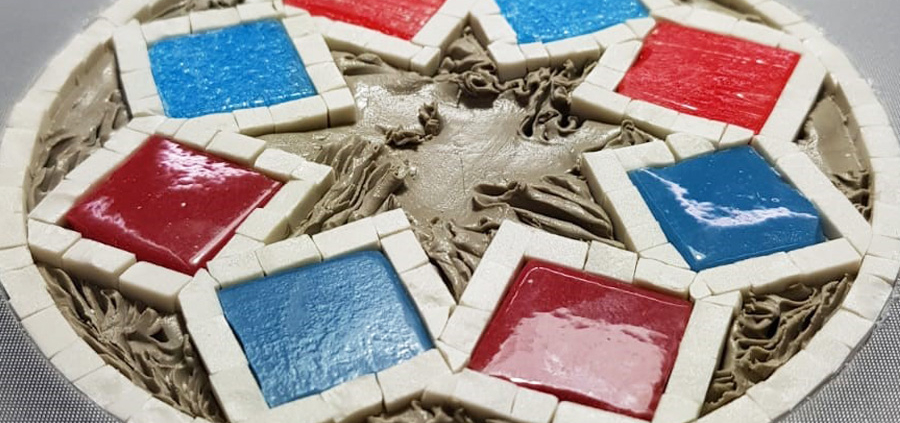
MOSAIC IN MONREALE
Craftsmanship is one of the activities which distinguishes Monreale and its territory. One of craftsmanship’s activities for which Monreale stands out is the art of mosaic.
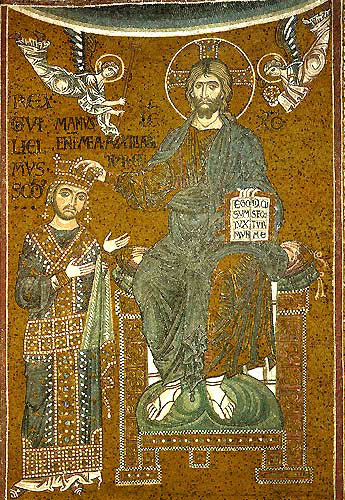
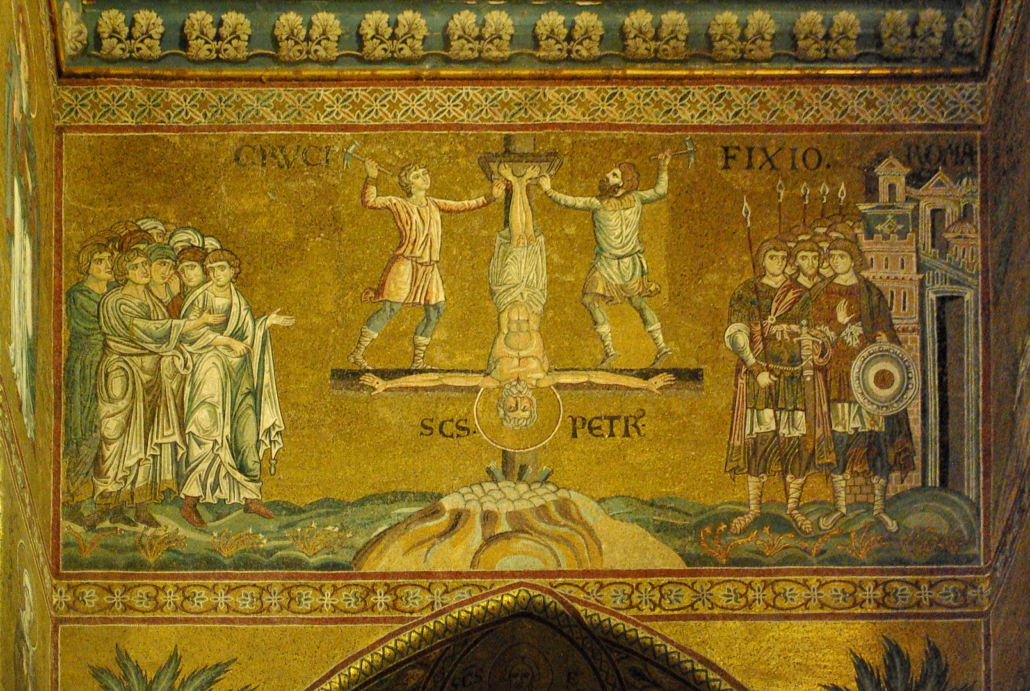
The art of mosaic in Monreale is known throughout the world thanks to the monumentality of more than six thousand square metres of mosaic inside the Cathedral. This ancient art is still being kept alive nowadays by the Mosaic School and the town’s craftsmen. Similarly to the art of painting, the mosaic technique is used to create two-dimensional designs and paintings with the possibility of achieving very large and articulated decorative surfaces.
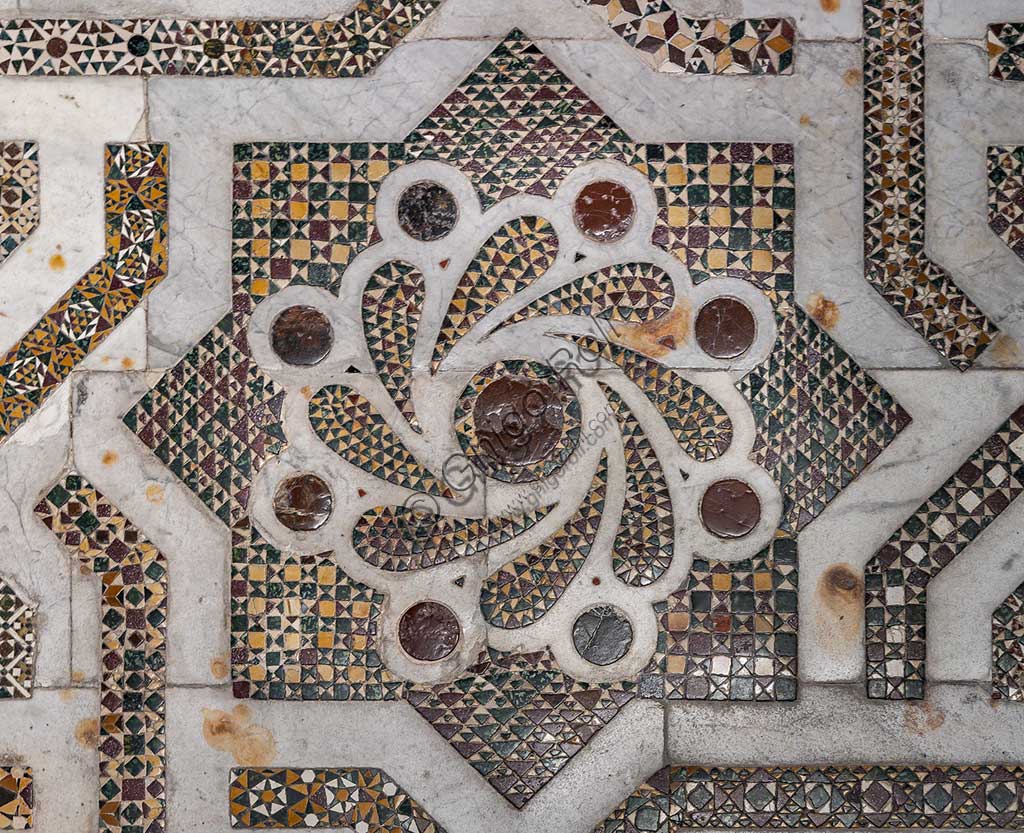
This ancient decorative technique consists of composing a design or image by juxtaposing small “tesserae”, pieces of stone, marble or coloured glass paste. Unlike marquetry, in which the pieces are inserted into a surface that has been hollowed out previously, mosaic pieces are applied to a surface that has been prepared with an adhesive material.
History of Mosaic
Mosaics originated in Mesopotamia, in present-day Iraq, in the 4th millennium BC. Here we find the first evidence of ornamental mosaic decorations made with small cuneiform terracotta elements inserted in fresh mortar. In the 2nd millennium B.C., in the Minoan-Mycenaean area, pebble flooring began to be used as an alternative to the use of carpets, making the floor waterproof and more resistent to trampling.
The Greeks elevated the pebble mosaic to an art of great refinement, inventing the so-called tessera technique. During the Roman Empire, the art of mosaics experienced its most dazzling expressions, as demonstrated by archaeological finds in both the West and the East, with themes related to classical mythology, hunting scenes or scenes of everyday life. The tesserae (from the Latin for ‘cubes’ or ‘dice’) were in fact cut into triangles, squares or other regular shapes to fit in like a puzzle which made up the surface of the mosaic. From the 4th century AD, just before the fall of the Roman Empire in 476 A.D., mosaic was also used for the decoration of vaults and domes. The art was at its peak in early Christian and Byzantine art.
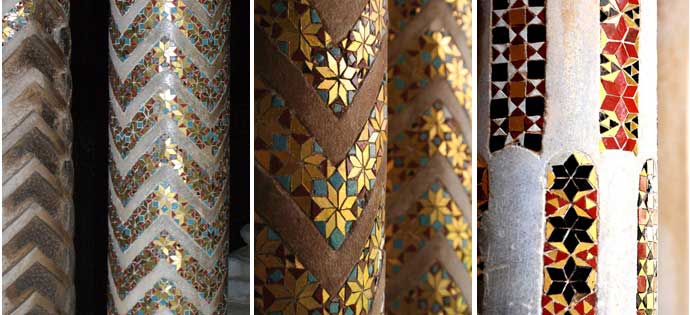
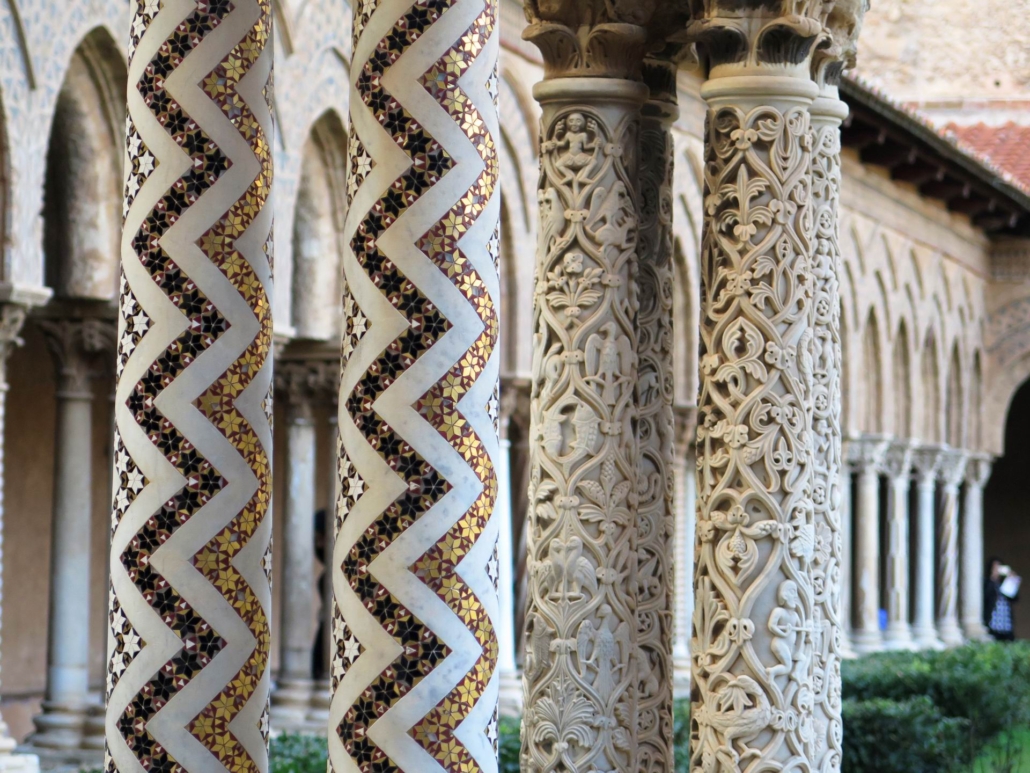
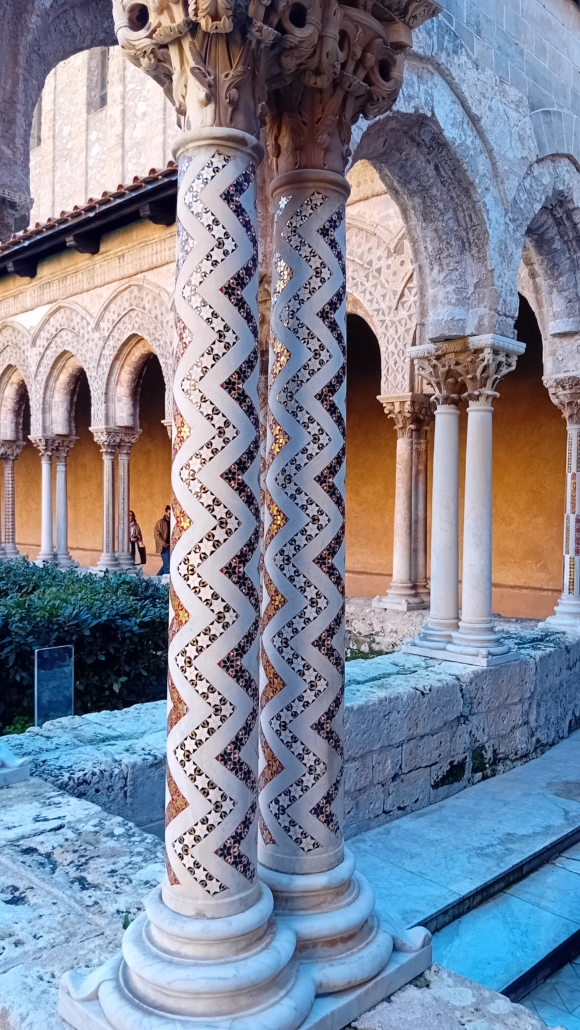
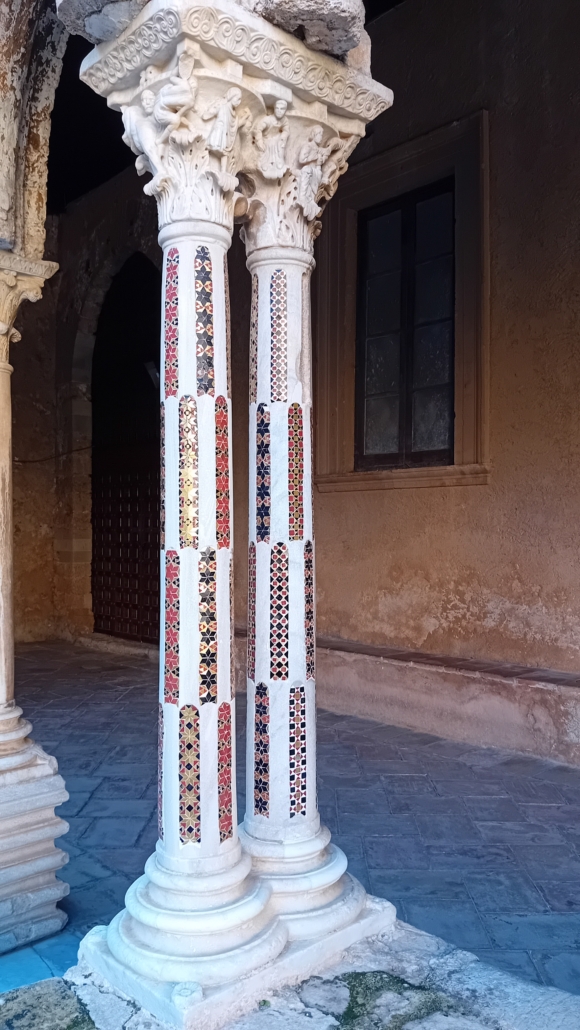
The most important examples of Byzantine mosaic art can be found today in the churches of St. Sophia in modern-day Istanbul; San Vitale, San Apollinare Nuovo and San Apollinare in Classe in Ravenna; St. Mark‘s in Venice; the Cathedral of Cefalù; and the Cathedral of Monreale, built in the 12th century at the behest of the Norman King William II, known for its immense mosaic covering. Thanks to its majestic cathedral, Monreale remained indissolubly linked to the art of mosaics. Mosaics can also be found in many of the capitals of the Benedictine Cloister.
Foundation of a mosaic’s school in Monreale
The countless interventions aimed at restoring and preserving the cathedral’s immense mosaic heritage led to the need to establish a mosaic school on site. Various historical testimonies confirm that as early as the end of the 15th century, restoration work on the cathedral’s vast mosaic surface was carried out by the mosaicist Mastro Masi Oddo, although historian Gaetano Millunzi speculates that a mosaic school already existed in Monreale prior to that time.
The mosaic scripts executed by the mosaicists of Monreale consisted of glass paste tesserae, golden glass paste tesserae and stone tesserae, made of local limestone. The place of production of the glass paste tesserae is not known at present, although a clue is provided by Masi Oddo, talking about “glass which was casted in Monreale”. The discovery of fragments of unused glass “pizzas” (glass round discs) in cavities in the masonry and in window openings, later walled up, would seem to affirm that those pizzas were cut ‘in situ’ (on site). Pietro Antonio Novelli (father of the famous Pietro) who was entrusted with the task of restoring the friezes and decorations, Pietro and Angelo Masi (Pietro Oddo’s sons), Geronimo Di Bartolomeo, Pietro and Vincenzo Nicolosi, together with their sons Biagio and Antonio, Cosimo La Piana, Giuseppe De Lapi and Giuseppe Matranga were some of the artists who continued the work undertaken by Masi Oddo over the centuries.
The art of mosaic today
Wandering around the city’s alleys today, it is still possible to find excellent master craftsmen creating mosaic works of great taste and quality. During your visit in Monreale, do not miss the opportunity to visit these workshops to hear about the working methods, while enjoying the technical expertise of the artisans at work, admiring the masterpieces they create.
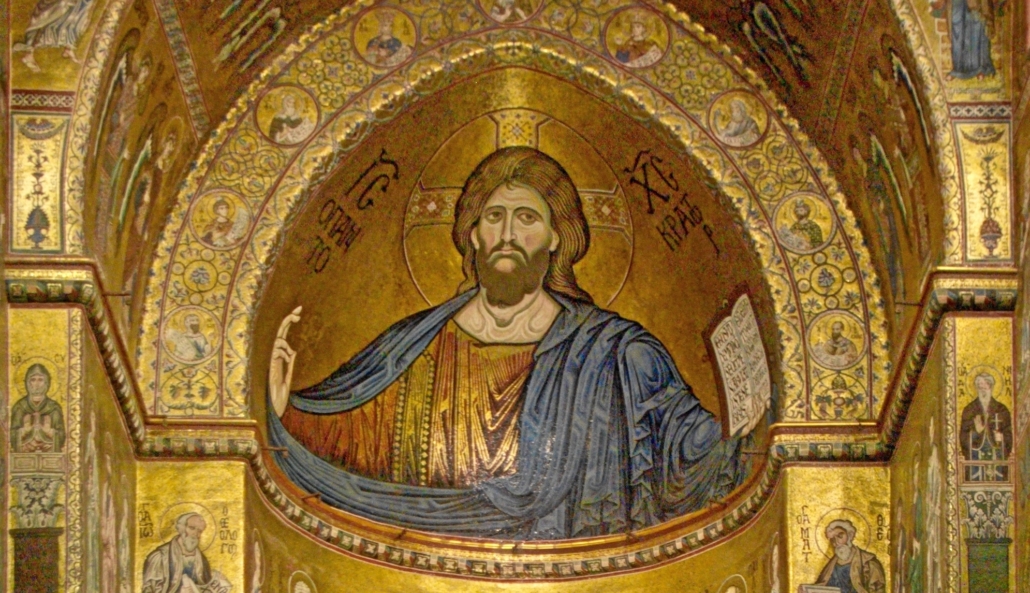
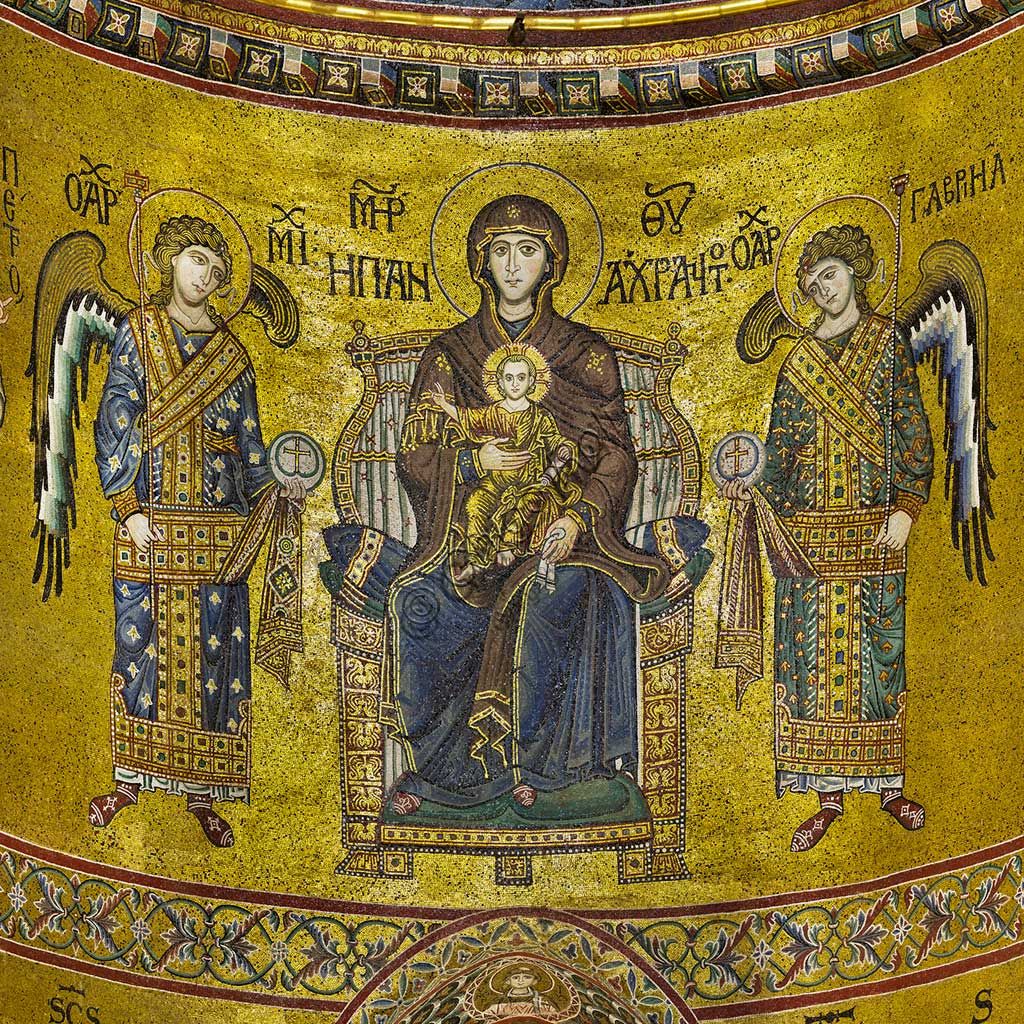
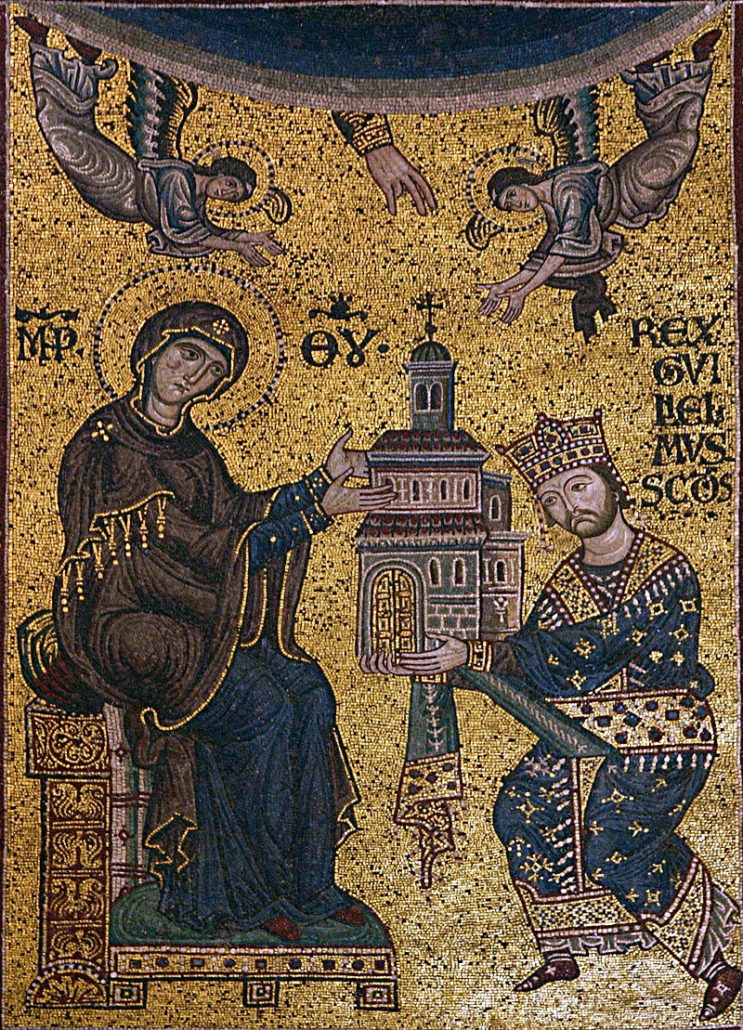
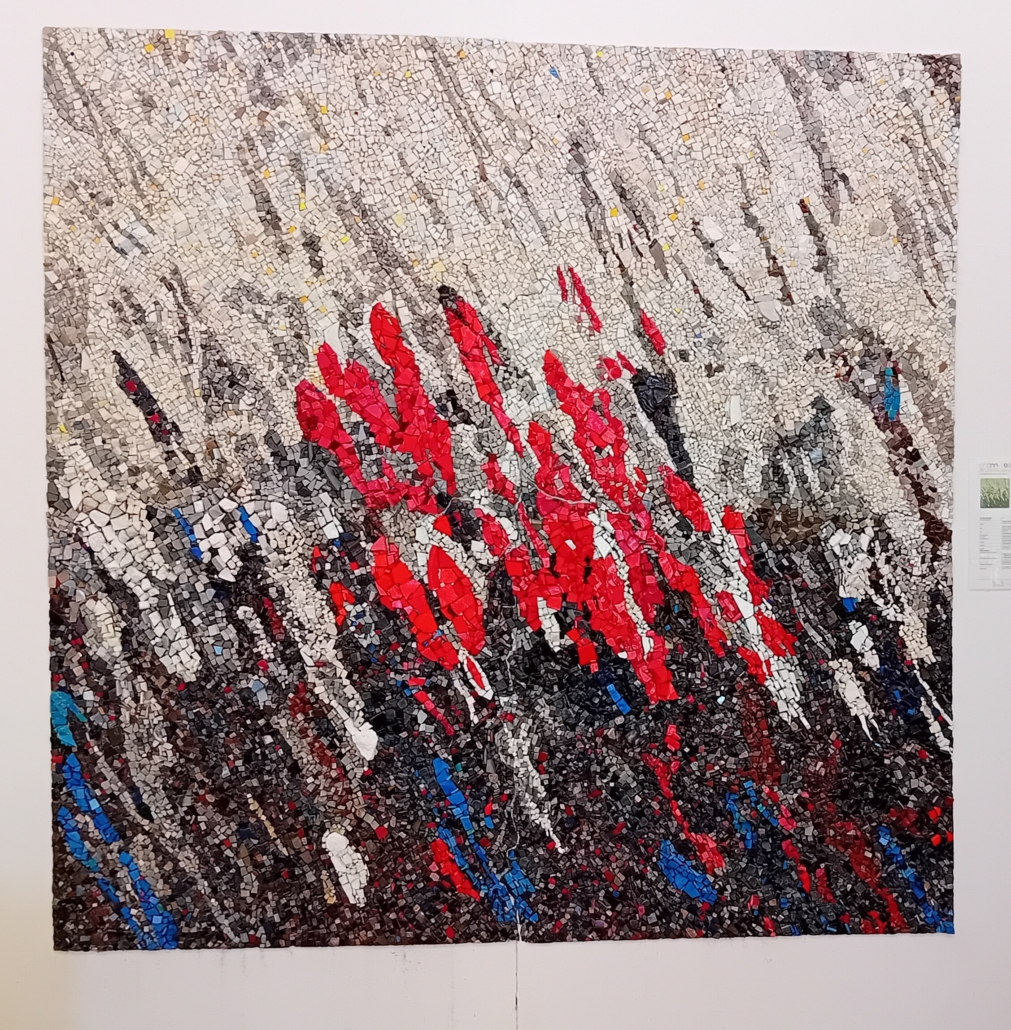
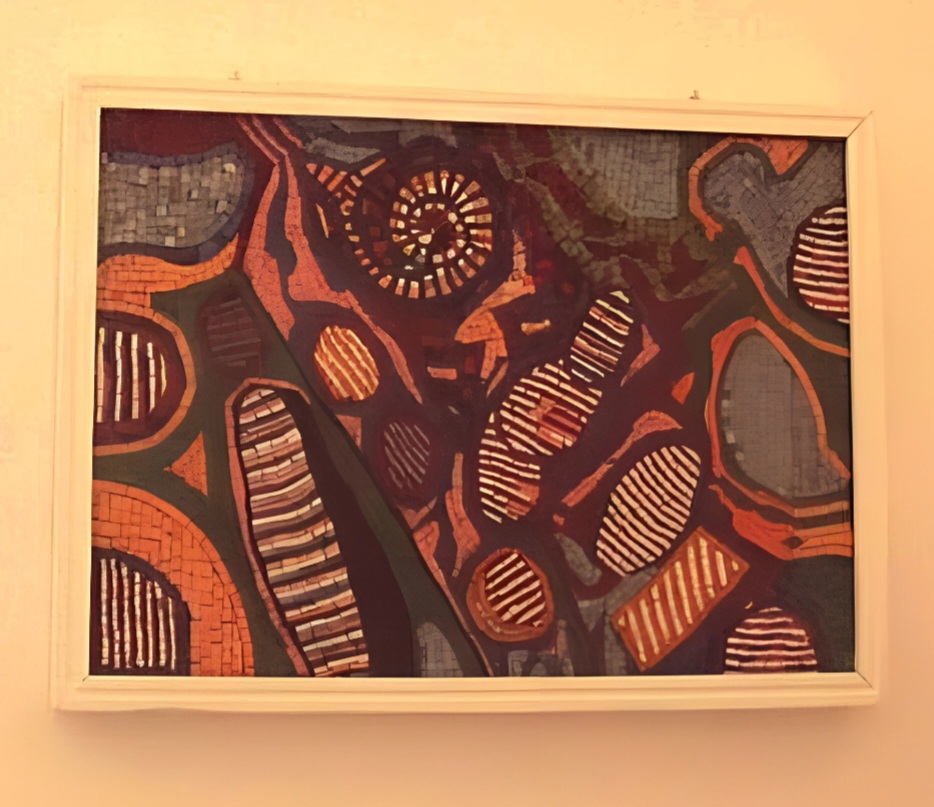
MUSEUM OF MOSAIC’S ART
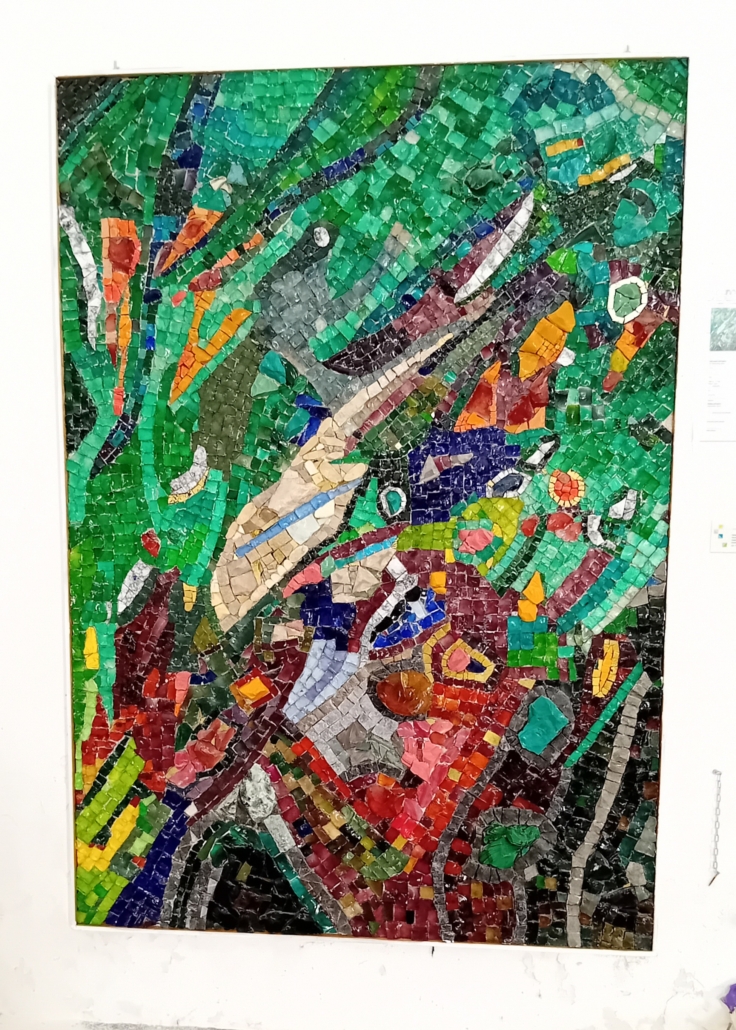
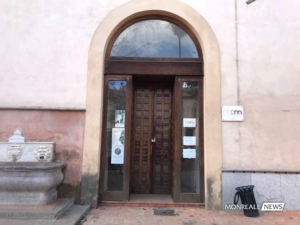 The Museum of Mosaic’s Art, as known as MMA, is a museum dedicated to the art of mosaic which was born in 2018 thanks to the ceaseless job of the Principal and the group of teachers of D’Aleo High School of that time, who supported the importance of an artistic itinerary made through mosaic in last years. The Museum presents itself as the only museum reality of Southern Italy being directly managed by a school and, along with the Cathedral and the industrious Art’s School, contributes to the creation of the image of Monreale as “City of Mosaics”, and so to become one of the most symbolic cities of the mosaic at an international level.
The expositive hall, of around 50 square meters and divided into three parts, placed in the Municipal Antivilla, hosts around thirty historical artworks, some of them dating back to the 70s. The Museum also hosts personal show of nationally and internationally renowned mosaicists, book presentations, magazines, catalogues of the sector. Exchanges with mosaic’s schools of Ravenna, Florence, Spilimbergo (province of Pordenone, Friuli-Venezia Giulia), Chartres (France), seminars, meetings, debates and didactic shows are made here. The Museum also hosts the gathering of mosaicists associated with I.A.C.M. (International Association of Contemporary Mosaic Artists) and the prestigious Biennial of the Mosaic.
The Museum is open from Monday to Saturday, from 9 a.m. to 1 p.m.